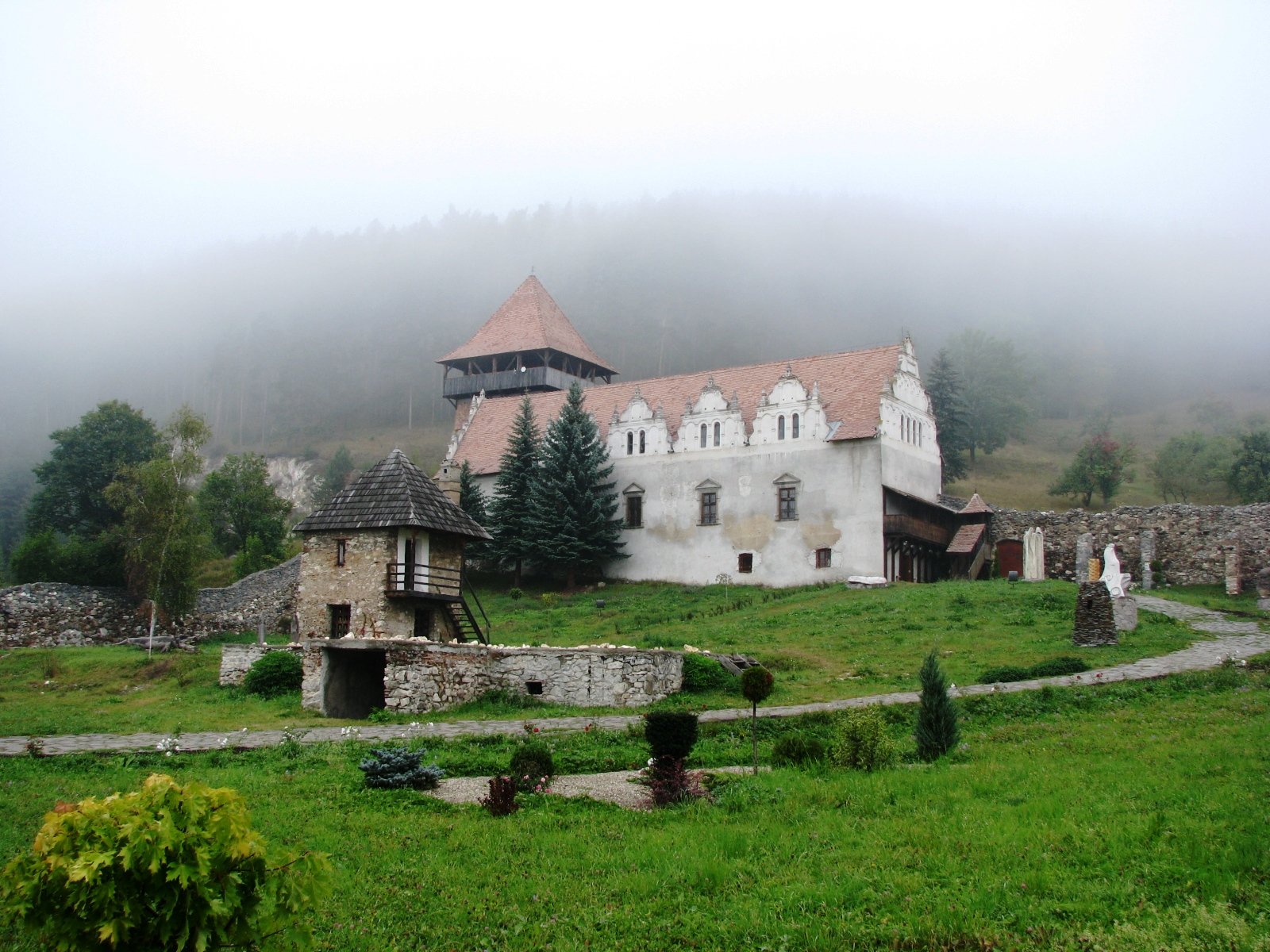
Lázár Castle in Lăzarea
Crenelated Renaissance walls, a massive gate tower and a living artists' colony —
the place where Gabriel Bethlen, Prince of Transylvania, spent his childhood.
One of the finest Renaissance castles of Transylvania
The Lázár Castle in Lăzarea is one of the most significant and beautiful Transylvanian Renaissance monuments in the Székely Land. The complex, located some 200 metres from the centre of the village, is both an important historical site and a living cultural centre.
The castle was once the seat of the Lázár family — an aristocratic family that played a significant role in Transylvanian history for centuries. In the first half of the 17th century, the Counts Lázár held vast estates and considerable political influence in the Giurgeu Seat.
The most significant historical connection: Gabriel Bethlen, Prince of Transylvania — founder of Transylvania's "Golden Age" — spent his childhood here. He was raised by the Lázár family, his maternal relatives. His later princely career began from here.
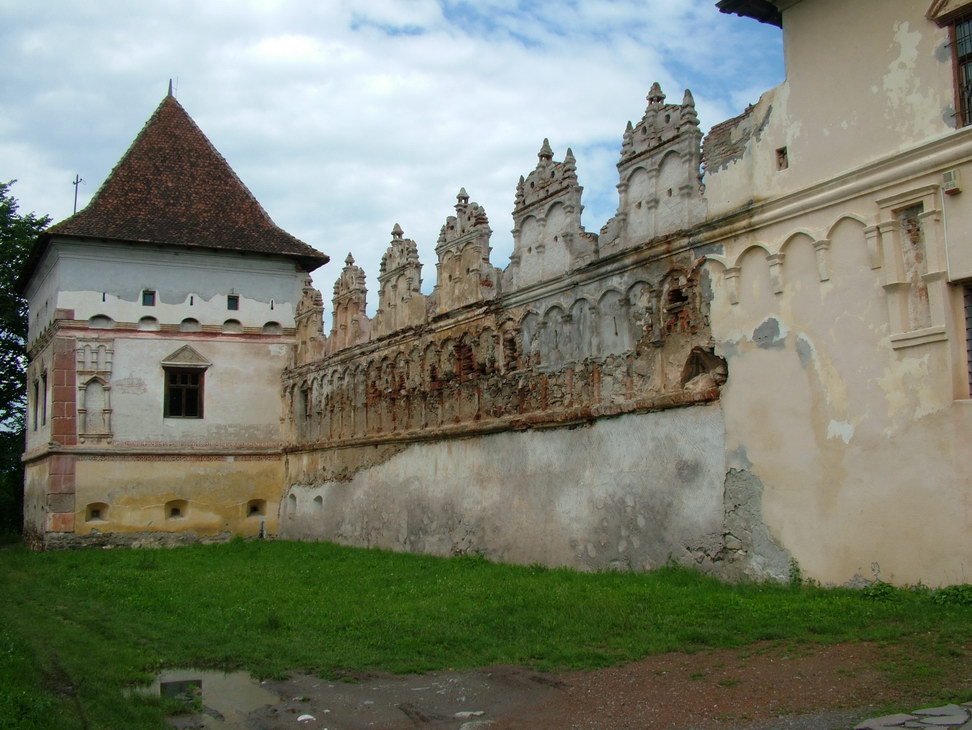 The crenelated Renaissance façade · local source
Gabriel Bethlen was raised here
Gabriel Bethlen (1580–1629) — later Prince of Transylvania (1613–1629) and one of the greatest figures of the Hungarian Protestant cause — spent his childhood and youth at Lăzarea, in Lázár Castle, with his maternal uncles, the Counts Lázár. Here he gained the learning and political vision that would later lead to the "Golden Age": Transylvania's purest flowering, the strengthening of Hungarian Protestant culture, and an autonomous foreign policy against the Habsburgs.
Highlights of the castle
Massive gate tower
On entering the castle you pass through an imposing gate structure — the entrance tower, which also served defensive purposes, is a classic element of Renaissance fortification.
Inner courtyard and bastions
The inner courtyard is ringed by defensive bastions. The whole complex fulfils both representative aristocratic and military functions at once — a characteristic Transylvanian noble castle-fortress type.
Crenelated walls
The beautifully crenelated Renaissance walls are the castle's most characteristic architectural motif. The crenelation (decorative parapet) reflects the influence of the Italian Renaissance in Transylvania.
Restored sections
Through the restoration work of recent decades, several parts of the castle have regained their original splendour. The work is ongoing — it is worth coming back more than once.
Temporary exhibitions
The temporary cultural exhibitions hosted in the castle are regularly renewed — contemporary art, local history and works by present-day artists take turns.
Artists' colony
The Lăzarea Artists' Colony based in the castle is one of the important workshops of Hungarian contemporary fine art in Romania — during the summer the colony hosts international artists.
The castle in pictures
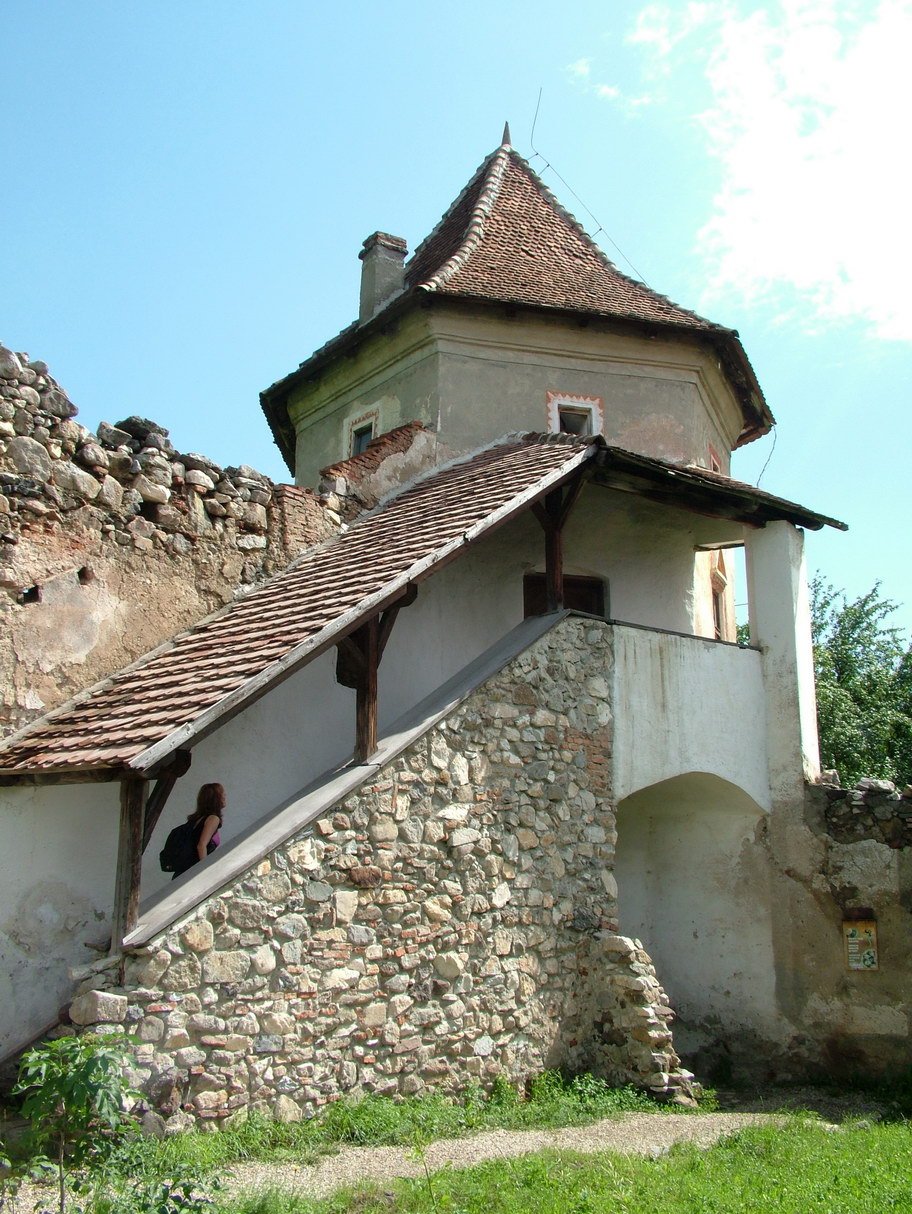
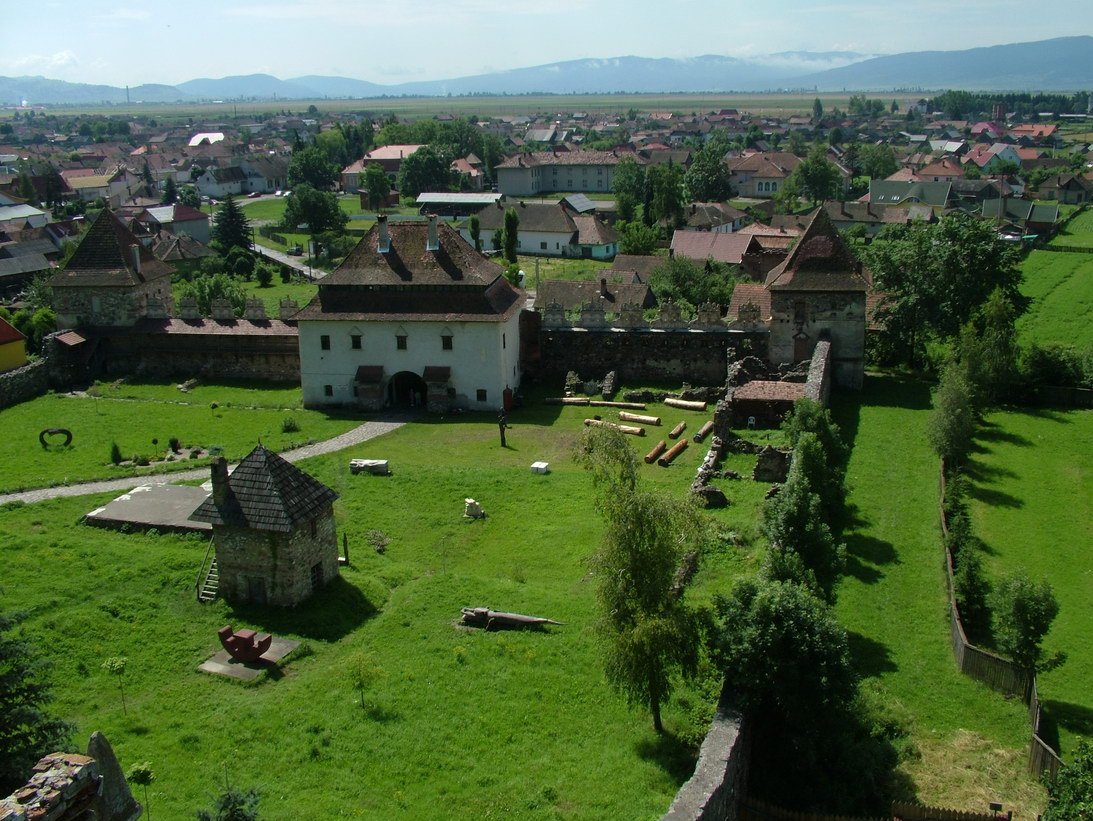
Photo sources: local sources
Useful information
Opening hours
- Tuesday – Saturday: 09:00 – 17:00
- Sunday: CLOSED
- Monday: CLOSED
- Group visits by prior arrangement
Ticket prices
- Adult ticket: ~30-35 RON
- Guided tour: included in the ticket price!
- Parking: free at the entrance
- Student/senior discounts available
How to get there
- From Gheorgheni: ~6 km
- Along the DN12 main road northwards
- 200 m from the centre of Lăzarea
- Free car park at the entrance
Tips
- Ask for the guided tour — the historical background is extraordinarily rich
- Check the temporary exhibition in advance — it changes constantly
- The summer programmes of the artists' colony are a special experience
- A full-day excursion from Gheorgheni
Did you know?
The Lázár family was one of the most influential Székely noble families of Transylvania — in the 16th–17th centuries they were chief captains of the Giurgeu Seat and later rose to the rank of count.
Gabriel Bethlen's mother, Drusiana Lázár, was a daughter of the Lázár family — so young Gabriel was bound to Lăzarea through his maternal kin. This explains the place of his upbringing.
The Lăzarea Artists' Colony was founded in 1974 and is one of the longest continuously running artists' colonies in Transylvania — Miklós Jakobovits, Jenő Kosztándi and many other contemporary artists worked here for decades.
The crenelation — the saw-toothed or stepped parapet ornament running along the top of the walls — is a typical element of the Northern Italian Renaissance. In Transylvania, Lăzarea is one of the finest surviving examples.