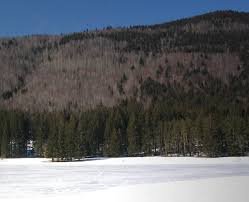
Ciomatu (Csomád) Mountains
Post-volcanic wonders, mofettes and a twin crater
the youngest volcanic formation of the Carpathians, near Băile Tușnad
Source: Wikipedia
The youngest volcano in the Carpathians
The Ciomatu (Csomád) Mountains form the volcanic massif that fundamentally defines the ecological and tourist identity of Băile Tușnad — the youngest volcanic formation in the Carpathian range.
Pliocene and Pleistocene volcanic activity gave rise to two clearly distinguishable craters within the massif: the younger one cradles Saint Anne Lake, while the older, northern crater hosts the Mohoș Peat Bog.
The post-volcanic activity of the area remains observable today — through gas emanations rich in carbon dioxide and hydrogen sulphide (mofettes), and through numerous mineral-water springs (borvíz). The whole zone belongs to the Natura 2000 network.
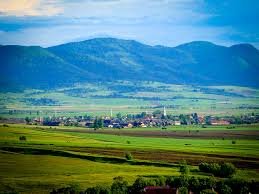 The two craters of the Ciomatu massif from above · tinutulapelor.ro
Mofettes — the breath of the earth
Mofettes are dry gas baths with a carbon dioxide content of 95–98%, rising to the surface through fissures in the earth's crust. Absorbed through the skin, the gas has a powerful vasodilating effect — making it remarkably effective in treating cardiovascular conditions.
Puturosu Cave
Lying at 1052 m altitude, Puturosu Cave (Büdös-barlang) is the largest natural mofette in Europe — thousands of cubic metres of highly concentrated CO₂ rise to the surface every day.
Therapeutic benefits
Mofette therapy is indicated for cardiovascular conditions, hypertension, rheumatic and musculoskeletal complaints, as well as dermatological and gynaecological issues. A single session lasts up to 20 minutes.
Mineral springs
The region has more than 60 known mineral-water springs (borvíz) — carbonated chloride-sodium and calcium-magnesium waters. The yield of the Apor Spring reaches 7200 litres/hour! Used for both drinking cures and balneotherapy.
One volcano, two craters, two worlds
Two craters took shape within the Ciomatu massif during its volcanic past — each cradling a unique natural treasure.
The only volcanic crater lake in Central and Eastern Europe, sitting at 945 m. A closed hydrological system — fed exclusively by precipitation. Natura 2000 protected area.
DetailsAn 80-hectare Ice-Age peat bog at 1050 m. Once a lake — today home to glacial relict plants, including Transylvania's only carnivorous species, the round-leaved sundew.
DetailsCiomatu in pictures
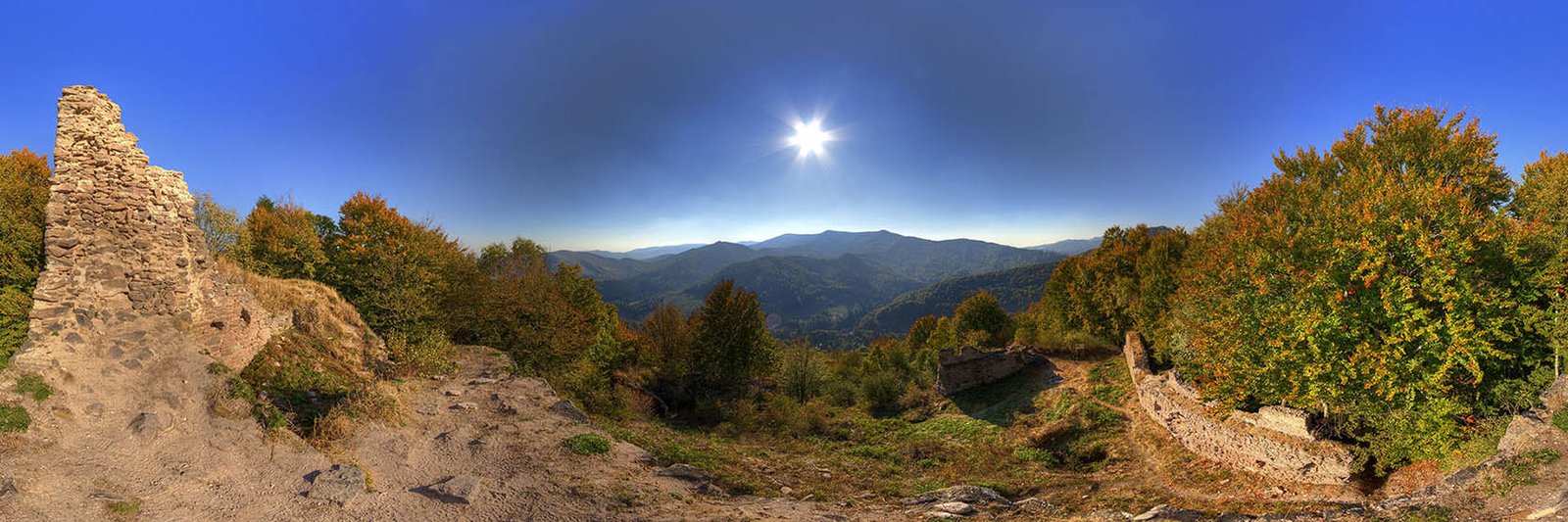
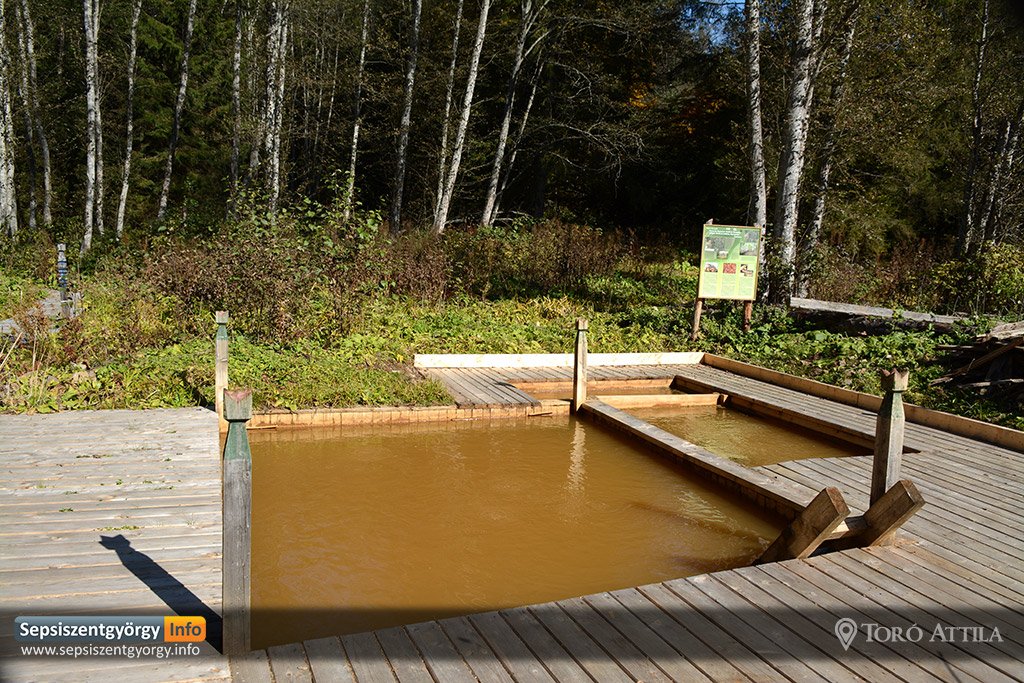
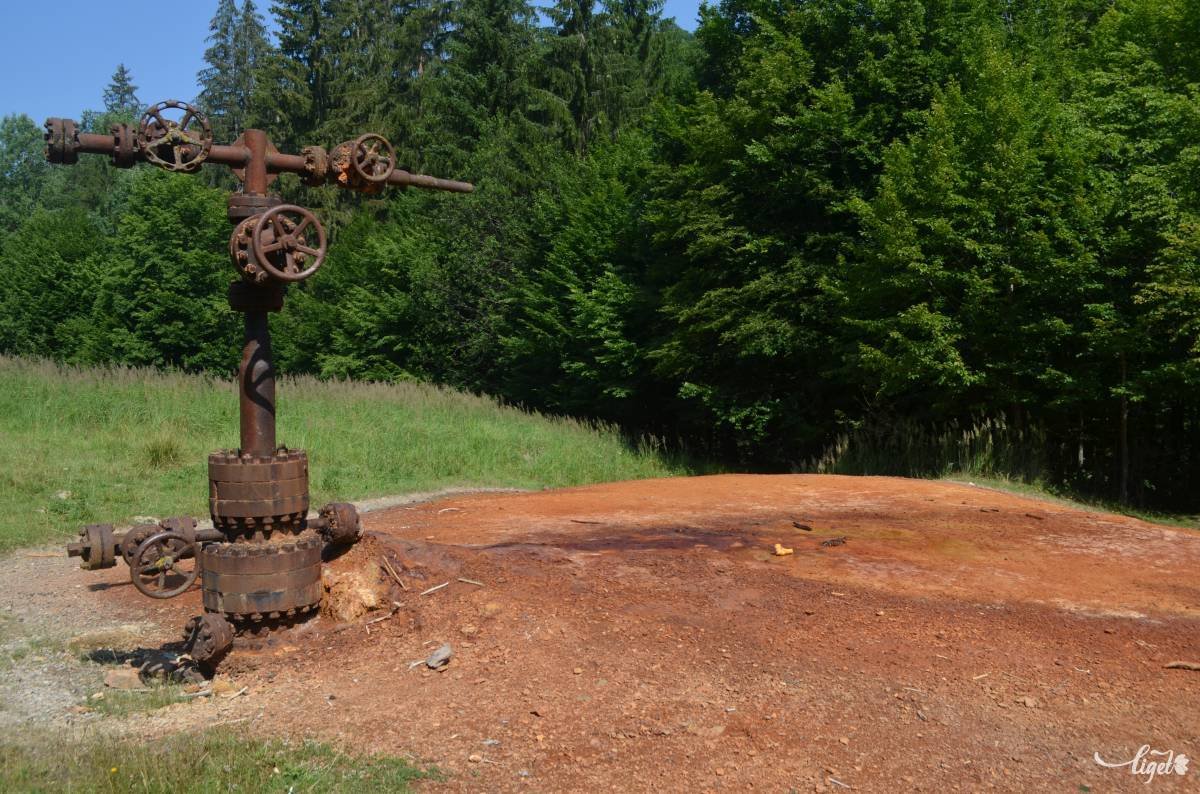
Image sources: Wikipedia · tinutulapelor.ro · virtualisszekelyfold.ro · sepsiszentgyorgy.info · szekelyhon.ro
Before you set off
Permitted activities
- Hiking on marked trails
- Mofette therapy (under medical supervision)
- Tasting mineral water at the springs
- Nature photography
- Birdwatching
Important warnings
- In the mofette: only up to waist height! — CO₂ can be lethal
- Children must not approach the mofette unsupervised
- Cardiac patients should consult a physician
- Mofette use is forbidden during pregnancy
How to get there
- From Băile Tușnad: approx. 8–10 km
- From Bálványos Resort: direct access
- Puturosu Cave: from near Bálványos Resort
- Saint Anne Lake: shared parking
Bear safety
- Active bear habitat throughout the area
- Avoid forested zones after dark
- Announce your presence aloud while hiking
- Leave no food or litter behind
Did you know?
The Ciomatu Mountains are the youngest volcano in the Carpathians — its last eruption took place only a few tens of thousands of years ago, which is essentially „yesterday" in geological terms.
Puturosu Cave is the largest natural mofette in Europe — thousands of cubic metres of carbon dioxide reach the surface every day at 1052 m altitude.
Apart from carbon dioxide, the mofettes also contain traces of helium and radon — these act synergistically and amplify the therapeutic effect.
The two craters have evolved into two completely different ecosystems: one became a lake (Saint Anne Lake), the other a peat bog (Mohoș).